
Petrol Price In Pakistan Today
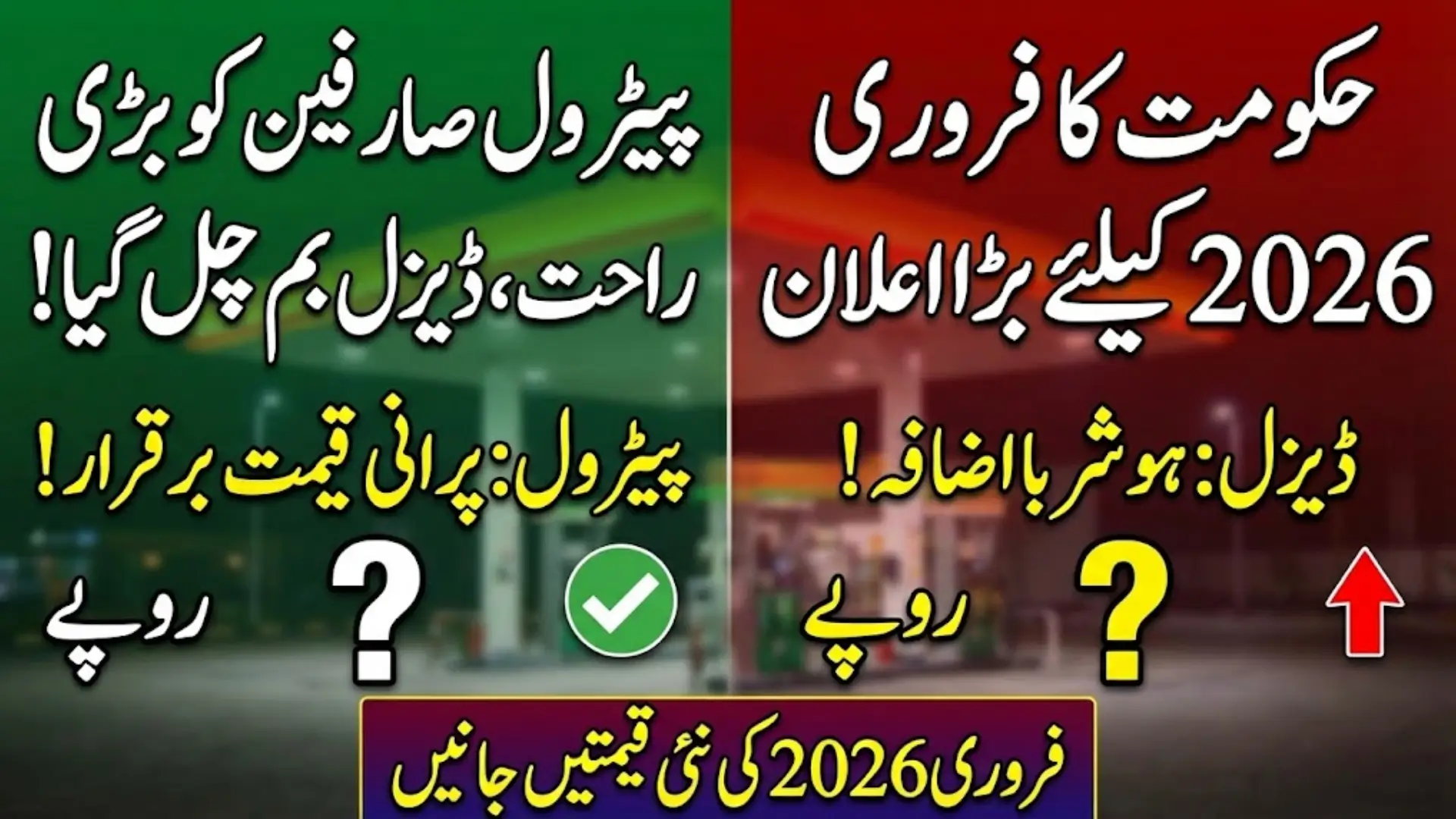
Petrol Price In Pakistan Today As February begins, Pakistanis are keeping a close eye on fuel prices, which have a direct impact on daily life, transportation costs, and goods prices. The government has announced its fortnightly petroleum rates, and while petrol prices remain unchanged, diesel has seen a notable increase. Understanding these rates is important for commuters, businesses, and households alike.
You Can Also Read: 8171 Web Portal 2026 Check Febuary Qist 14500
Current Petrol and Diesel Rates
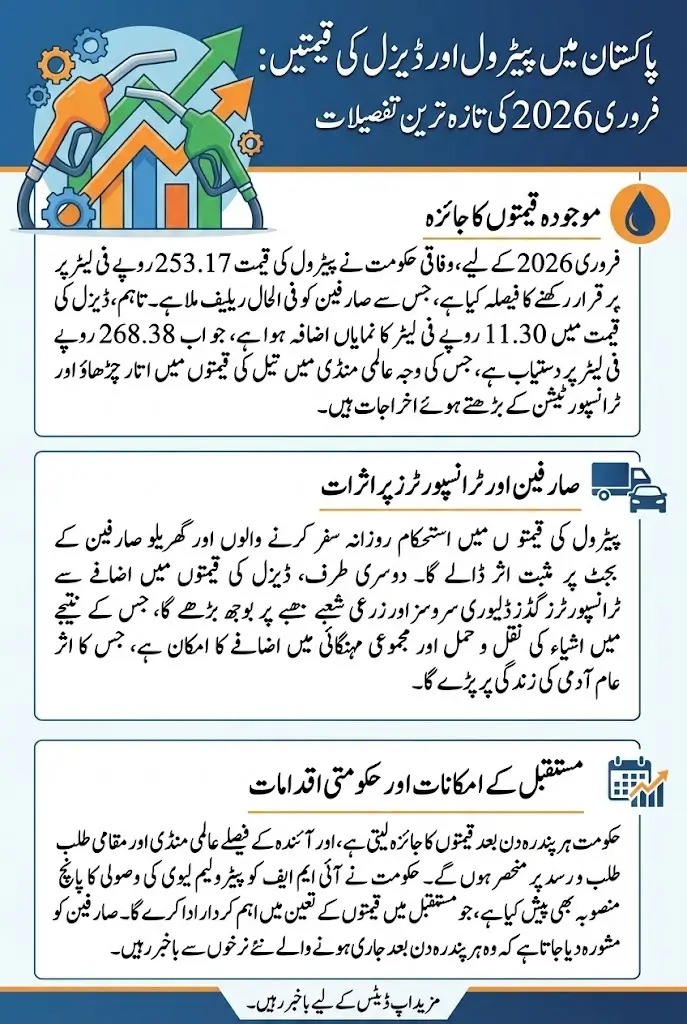
For February 2026, the federal government has decided to keep petrol prices unchanged at Rs 253.17 per litre. Diesel, however, has seen an increase of Rs 11.30 per litre, bringing its price to Rs 268.38. High-speed diesel (HSD) is also affected by this hike, reflecting the rising cost of transportation fuel.
This decision directly affects transporters, delivery services, and anyone relying on diesel-powered vehicles. Petrol consumers, on the other hand, can enjoy stable rates for now, giving a little relief at the pump.
Quick Snapshot of Current Fuel Prices:
| Fuel Type | Price (Rs/Litre) | Change | Notes |
|---|---|---|---|
| Petrol | 253.17 | 0 | No change for February |
| Diesel | 268.38 | +11.30 | HSD increase, affects transport sector |
Key Points:
- Petrol prices unchanged at Rs 253.17 per litre.
- Diesel prices increased by Rs 11.30 per litre.
- HSD and other diesel-powered services will feel the effect immediately.
You Can Also Read: 8070 Web Portal 2026 For 10000 Qist Check Using CNIC
Government Decision and Review Process
Petrol and diesel prices in Pakistan are reviewed every fortnight. The Petroleum Division examines several factors before announcing new rates. These include:
- Domestic fuel trends over the last two weeks
- Supply and demand conditions in local and international markets
- Economic factors such as inflation and currency fluctuations
After analyzing these, officials decided to maintain petrol rates at Rs 253.17 but increase diesel prices to Rs 268.38. Authorities emphasize that the next review will consider market movements, ensuring a balance between consumer relief and fiscal needs.
What this means for Pakistanis:
- Petrol users continue to pay the same price, helping household budgets.
- Diesel users, including transporters and businesses, will face slightly higher costs.
- Rates are updated regularly, so consumers should stay informed every two weeks.
You Can Also Read: Ramzan Nighban Program 2026 Online Registration
Historical Price Trends
Looking back, the previous fortnight (Jan 16–Jan 31) saw unchanged rates for both petrol and diesel. Petrol remained at Rs 253.17, while HSD stayed at Rs 257.08.
The government often keeps fuel rates stable to provide relief to consumers, especially when international oil prices fluctuate. Maintaining petrol rates helps ordinary citizens manage transportation and daily expenses, while diesel rate adjustments reflect broader economic pressures.
Fuel Price Comparison Table:
| Fuel Type | Current Price | Previous Price | Change |
|---|---|---|---|
| Petrol | 253.17 | 253.17 | 0 |
| Diesel | 268.38 | 257.08 | +11.30 |
Initial Expectations vs Actual Rates
Before the announcement, experts had predicted a possible drop in petrol and diesel rates. Initial estimates suggested:
- Petrol could decrease by up to Rs 4.59 per litre
- High-speed diesel by Rs 2.70 per litre
- Kerosene oil by Rs 1.82 per litre
- Light diesel oil by Rs 2.08 per litre
However, after reviewing market conditions, supply, and demand, the government kept petrol rates unchanged and adjusted diesel upward. This shows how market trends can sometimes differ from forecasts, keeping consumers on their toes.
You Can Also Read: Electric Bike Scheme 2026 Apply for Easy 2-Year Installments
Government’s Petroleum Levy and IMF Submission
Pakistan submitted a 5-year petroleum levy collection plan to the International Monetary Fund (IMF) in December 2025. This plan outlines projected revenue from petrol and diesel levies from 2025–30 and includes an increase in the climate support levy by Rs 2.5 per litre starting July 2026.
- Petrol: Rs 79.62 per litre
- Diesel (HSD): Rs 75.41 per litre
- Climate support levy: Rs 2.5 per litre (applied separately)
Projected Petroleum Levy Collections (Rs in Billion):
| Fiscal Year | Projected Collection |
|---|---|
| 2025-26 | 1,468 |
| 2026-27 | 1,638 |
| 2027-28 | 1,787 |
| 2028-29 | 1,989 |
| 2029-30 | 2,212 |
The levy plays a critical role in government revenue, helping fund infrastructure, energy projects, and other public services.
Impact on Consumers and Market
The unchanged petrol prices provide relief to daily commuters and businesses reliant on petrol. However, the diesel hike will affect:
- Transporters and logistics companies
- Goods transport and delivery services
- Industries using diesel for operations
Tips for consumers and businesses:
- Consider fuel-efficient travel or ride-sharing to reduce costs.
- Plan transport routes carefully to save on diesel expenses.
- Stay updated with the fortnightly price announcements.
You Can Also Read: Punjab Dhee Rani Program Phase 2 Quota Increase
Conclusion
For February 2026, petrol prices in Pakistan remain unchanged at Rs 253.17 per litre, while diesel prices increased to Rs 268.38. The government continues to balance consumer relief with revenue needs, and the petroleum levy plays a significant role in long-term fiscal planning.
Consumers and businesses are encouraged to stay informed about fortnightly fuel rate updates and plan accordingly. While petrol users enjoy stability, diesel consumers need to manage the slight hike in their budgets.