
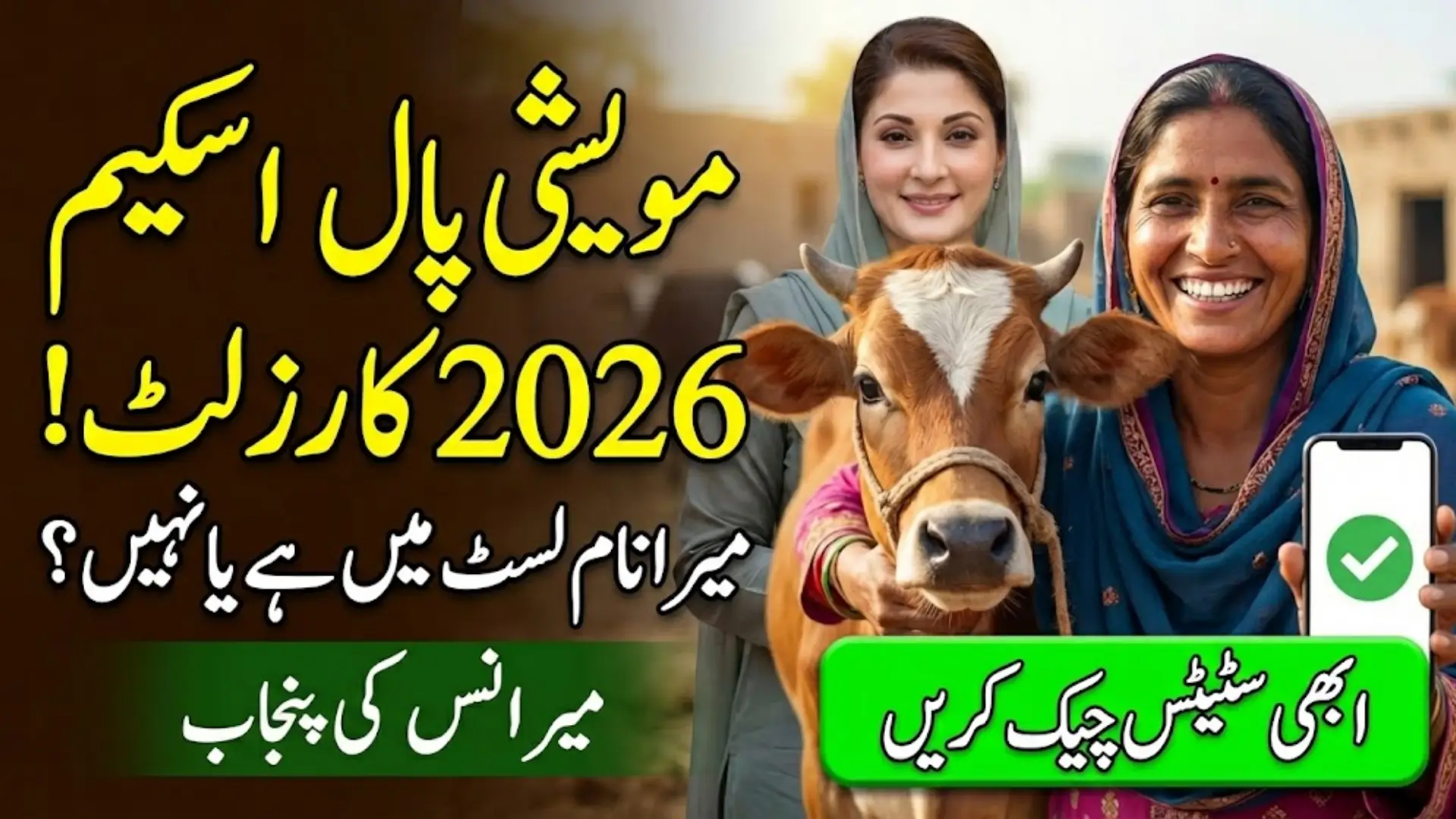
Ballot for Asset Transfer to Rural Women
Ballot for Asset Transfer to Rural Women In South Punjab, rural women have always played a silent but powerful role in managing livestock, yet most of them never owned animals in their own name. During my visits to villages in Multan, Bahawalpur, and Dera Ghazi Khan, I saw many widowed and divorced women caring for animals owned by others, earning very little in return. This reality pushed the Punjab Government to introduce the Livestock Asset Transfer to Rural Women initiative.
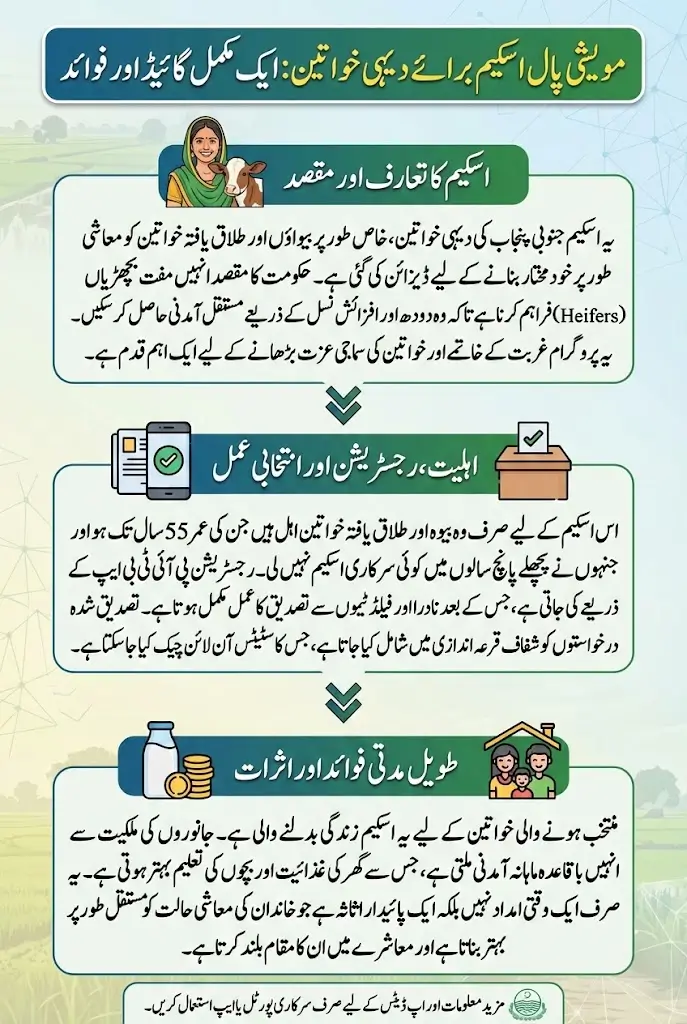
The scheme focuses on providing livestock, especially heifers, directly to deserving women so they can earn a respectable and sustainable income. In 2026, after the completion of registration, the most common question among applicants is how to check ballot and application status online, which this guide explains in detail.
You Can Also Read: Laptop Scheme 2026 Online Apply via Portal
Purpose of the Livestock Card Registration Program
The Livestock Card Registration Program is designed to break the cycle of poverty rather than provide short-term relief. By transferring livestock ownership to women, the government ensures a continuous source of income through milk production and animal breeding.
This program mainly aims to:
- Improve household income in rural areas
- Promote women’s financial independence
- Strengthen the rural livestock economy
From what I have observed, women who receive livestock become contributors rather than dependents, which changes family dynamics positively.
You Can Also Read: BISP 8171 Payment Update Today: Bank of Punjab
Who Can Benefit From This Scheme
Eligibility is the backbone of this program, and the government has intentionally kept it strict to ensure transparency. Only women who truly need support are selected after verification.
The scheme is meant for:
- Widowed and divorced women only
- Applicants with a maximum age of 55 years
- Women who did not receive livestock from any government scheme in the last five years
This clear eligibility structure prevents misuse and ensures fair distribution.
You Can Also Read: KP to Install Water Meters in Four Major Cities
District Coverage Across South Punjab
The Livestock Asset Transfer Scheme covers all 13 districts of South Punjab, making it one of the most wide-reaching women-focused programs in the region. District administrations play a direct role in monitoring and verification.
Each district team is responsible for:
- Physical verification of applicants
- Ensuring applicants are permanent residents
- Reporting genuine cases for final approval
This local involvement reduces fake entries and favoritism.
You Can Also Read: Punjab Livestock Department Completes E-Balloting
Registration Completion and What Happens Next
Many women think registration guarantees livestock, but that is not the case. Registration only places the applicant into the system for further scrutiny. After submission through the PITB app, data is cross-checked with NADRA and other government records.
The post-registration process includes:
- Digital scrutiny of CNIC and marital status
- Field verification at the applicant’s residence
- Assessment of livestock management experience
Only those who pass all stages move forward.
You Can Also Read: Ramadan Relief Package Update: Proposal to Increase
How to Check Livestock Card Status in 2026
In 2026, the government has made status checking simple and accessible. Applicants no longer need to visit offices or wait for agents. Status can be checked digitally anytime.
Applicants may see statuses such as:
- Application under verification
- Eligible for balloting
- Selected for livestock transfer
- Not eligible
Regular checking helps applicants stay informed about progress.
Using the PITB Livestock Asset Transfer App
The PITB-developed mobile app is the primary tool for registration and status tracking. The app is designed keeping rural users in mind, with a simple layout and basic Urdu/English prompts.
Through this app, women can:
- Log in using their CNIC number
- View application progress
- Receive official updates
This digital system has reduced corruption and delays significantly.
You Can Also Read: Byd Atto 2 Price In Pakistan Full Specs And Details
Checking Status Through the Official Online Portal
For applicants who do not use smartphones, the official online portal is equally useful. Many women visit nearby internet cafés or ask family members to help them check their status.
To check status online:
- Open the official portal
- Enter CNIC carefully
- Submit details to view latest update
If the status does not change immediately, it usually means verification is ongoing.
You Can Also Read: BISP 13500 Update Why Beneficiaries
Verification, Balloting, and Asset Distribution Process
After verification, eligible applications are entered into a balloting system to ensure fairness. This step is crucial because resources are limited, and selection must remain transparent.
Once selected:
- Applicants are officially notified
- Livestock transfer schedules are shared
- Ownership is recorded under the woman’s name
This ensures dignity and long-term benefit.
Important Requirements to Avoid Rejection
During field visits, I noticed many applications were rejected due to avoidable mistakes. Women must ensure accuracy and availability during verification.
Key requirements include:
- Valid and active CNIC
- Mobile SIM registered on the same CNIC
- Correct marital and residential information
Small errors can delay or cancel applications.
You Can Also Read: PTA Issues Clarification Against Massive Reduction
Common Problems Faced During Status Checking
Technical issues are common, especially in rural areas with weak internet connectivity. Most problems are temporary and resolve on their own.
Common issues reported:
- CNIC not found in system
- App loading slowly
- Status not updated yet
Applicants are advised to recheck after a few days instead of panicking.
Key Benefits for Rural Women After Selection
Livestock ownership transforms lives. Women who were once financially dependent now earn through milk sales and animal breeding.
Major benefits include:
- Regular monthly income
- Improved family nutrition
- Increased social respect
This scheme creates real, visible change at village level.
Official Platform for Updates and Information
Only the official government website and PITB app should be trusted for information. Fake agents and social media rumors can mislead applicants.
Women should:
- Avoid sharing CNIC details publicly
- Follow updates only from official sources
- Ignore unofficial WhatsApp messages
Staying informed ensures safety.
Overview of Livestock Asset Transfer Scheme 2026
| Category | Details |
|---|---|
| Scheme Name | Livestock Asset Transfer to Rural Women |
| Target Beneficiaries | Widowed & Divorced Women |
| Maximum Age | 55 Years |
| Coverage Area | 13 Districts of South Punjab |
| Asset Type | Heifers / Livestock |
| Status Check | Mobile App & Online Portal |
Final Words
This scheme is a serious effort to uplift rural women, not a lottery or short-term relief. Those who have registered should remain patient, keep their information accurate, and stay available for verification.
From what I have personally seen, women who trust the process and avoid shortcuts benefit the most. The Livestock Asset Transfer Scheme is not just about animals—it is about giving rural women a chance to live with dignity and independence.